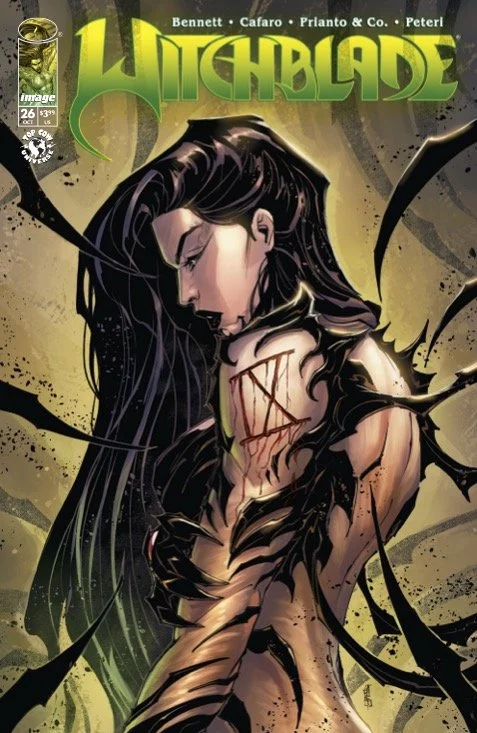
Witchblade #26 // Review
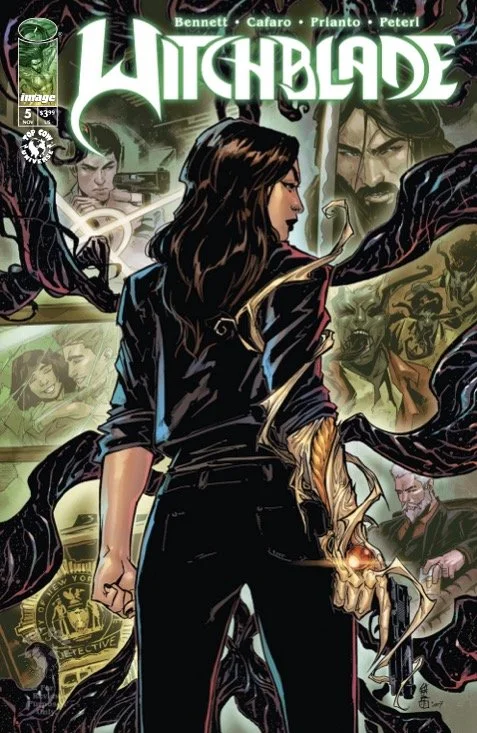
Sara Pezzini went undercover in the NYPD to find her father’s killer. She figures that she can do as much in the Vatican. So maybe she’s going up in the world...or maybe she’s going down. Either way, it’s not going to be easy in Witchblade #26. Writer Marguerite Bennett and artist Giuseppe Cafaro continue a supernatural investigation with a beloved indie comics hero. Color comes to the page courtest of Arif Prianto, Felix Hidayat and Sakti Yuwono. Having explored advanced science in an adventure with Aphrodite IX, Pezzini enters a world of power in the secret halls of one of the most powerful chruches in the history of the world.
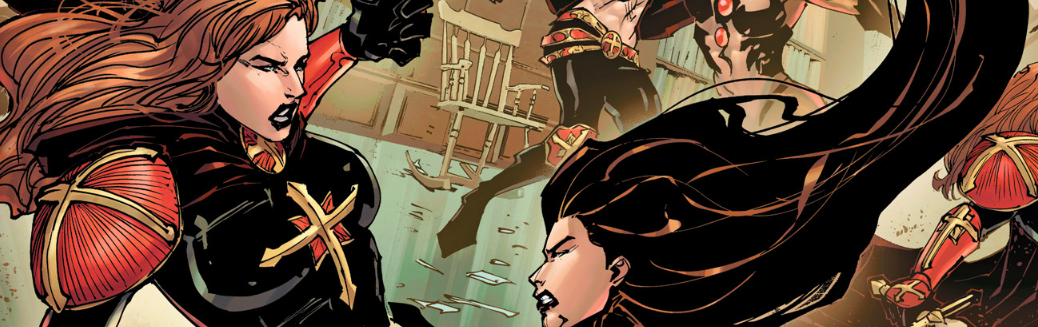
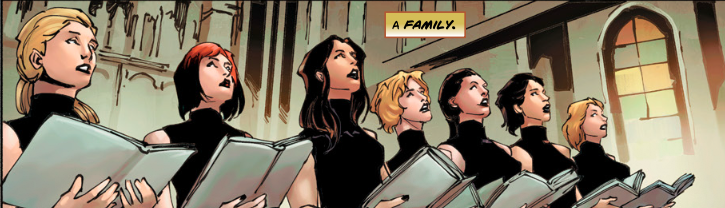
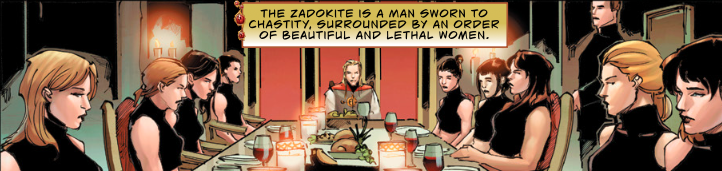
Sara has to confront the man who killed her father. He’s a relatively powerful guy at the Vatican. He leads a group of women he’s training. Evidently he had been an altar boy with Sara’s father. Then he killed him. And it’s not like Sara isn’t charmed by the sisterhood that the man leads. She likes the sense of order. The sense of honor. But she’s got to remember that she’s only playing a role to try to learn what she can about her father and the man who murdered him...
Bennett works with some dark horror tropes that stem from Catholicism and the Catholic church. On a surface level, it's very absurd stuff. Legends of the Vatican, holding powerful artifacts and sinister secrets have been circulating around horror and fantasy for a while. And it's kind of hard to take it seriously. However, Bennett grounds, the horror of the current storyline, very solidly in the drama between the characters. The conflict between Sara and her father's killer is strong enough to keep the narrative momentum going, even though it all seems very silly on the surface.
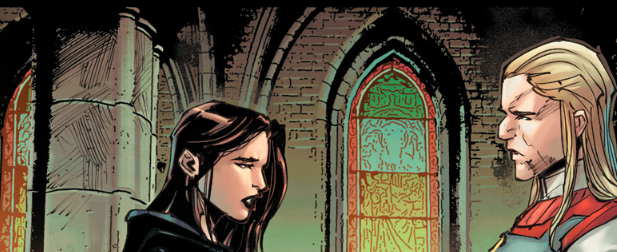
Cafaro does a respectable job of rendering a darkly fantastic vision of the Vatican. Prianto and company do a lot of the heavy lifting as far as developing and delivering a very compelling and immersive atmosphere for the story. There's a rather smart and well thought-out layout at work here as well. Lots of balance. Lots of clever composition. Above all, Sara continues to grease the page as of very appealing protagonist. There's a sharp balance that she has to strike. One involving acting versus living. And there's a lot of artifices going on. Cafaro does a really good job of drawing that conflict into the face of Sara.
Heroes have been entering dark and seductive worlds that have challenged their resolved before. It's kind of cool to see that happen with Witchblade at the Vatican. Sara has definitely had quite a bit of progress and character development over the course of the past couple of years. Bennett is doing a really good job of showing her progression without making it feel awkward or forced. She's still a hero. She's still going through it traditional superhero storytelling. But she's also developing as a person in a way that very few superheroes do.