The Thing on the Doorstep #4 // Review
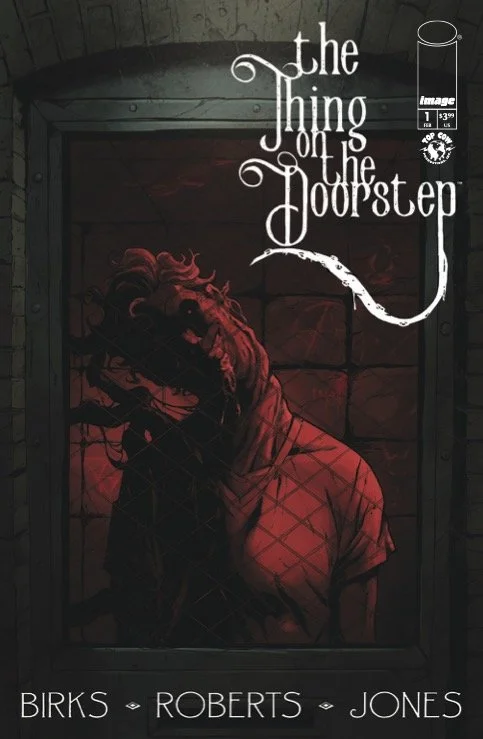
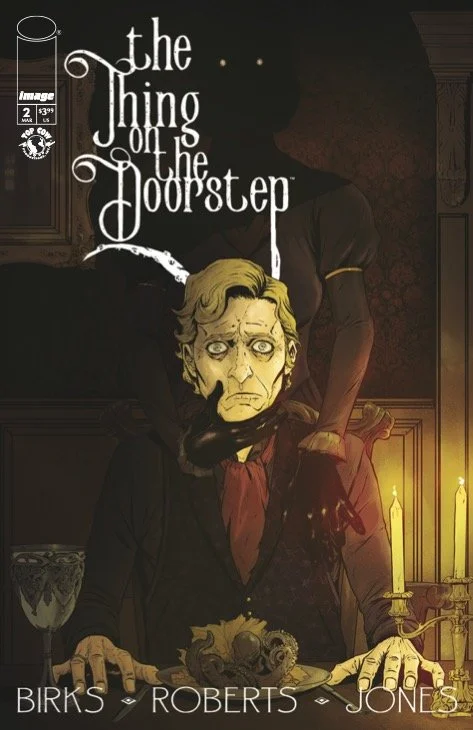
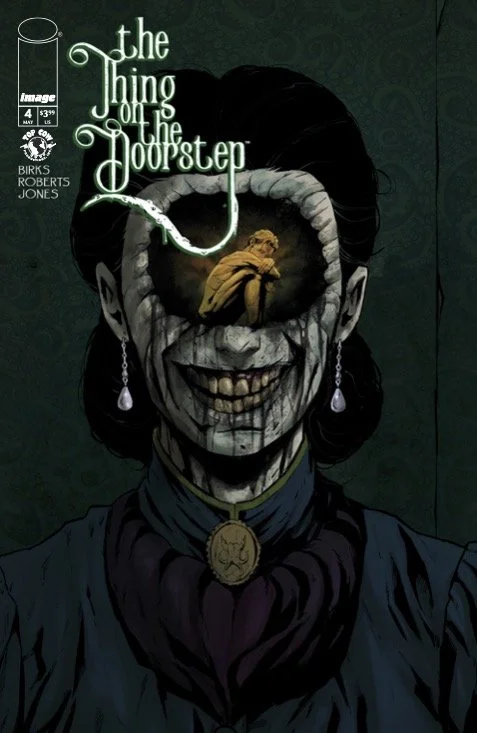
It’s the Autumn of 1932. It’s the evening. Edward has shown-up on Daniels’ doorstep. He’s looking haggard...nervous and wretched. Daniel is pleased to see an old friend who is clearly in need of coffee. Of the two men get to talking by the fireplace in Daniel's home. He seems a little bit less jittery with the coffee. He's no less haunted, though. There's clearly something wrong in The Thing on the Doorstep #4. Writer Simon Birks continues his adaptation of the H.P. Lovecraft short story with artist Willi Roberts. Interesting decisions are made in rendering the largely intellectual horror of Lovecraft.
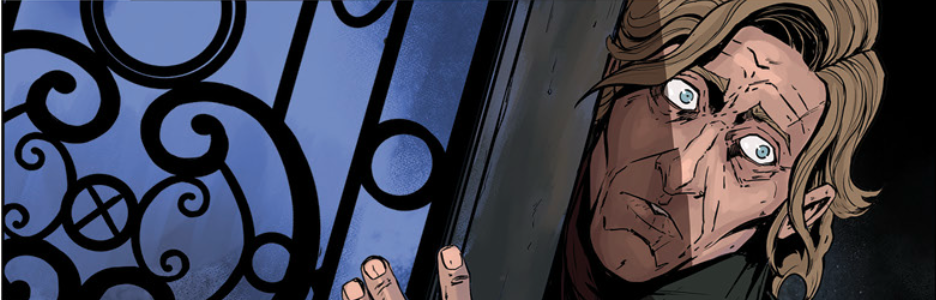
Edward might seem a little bit paranoid. But he has been focusing on strange studies. And there's a real darkness to the paths that his academic life have been moving down. He's been exploring sinister shadows of the arcane. It's become obsessed with it. And there are real changes going on in his personal life that are going to be changing him quite a bit. Maybe he'll find what he's looking for. Maybe it will tear him apart. Maybe he'll find himself in a straight jacket in a padded cell. What happens after that might be equally disturbing.
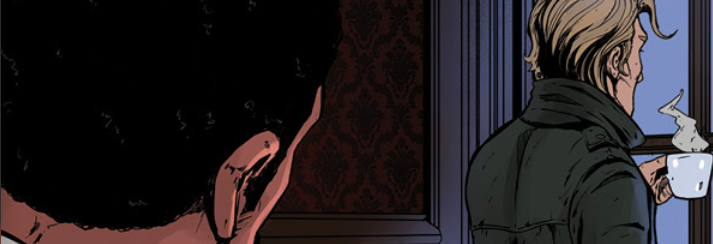
Birks offer an unflinching look at the relationship between the two men. It's a very formal conversation that opens the issue. Roughly the first third of the issue is just a conversation between these two guys before a fireplace. Over coffee. The drama of that is delivered in Moody visuals that never really leave the room. And a whole lot of conversation that feels like a lot of exposition. It takes a lot of guts to decide that this should be the way a story like this should make it to the page of a primary visual medium. The immersive moodiness of it really sells the deeper drama.
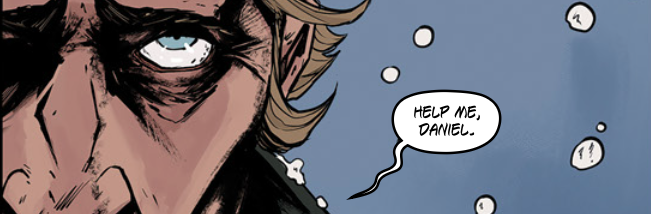
After the initial shock of seeing Edward the way he's appearing at the beginning of the issue, there's actually a lot of subtlety drawn into Roberts’ characterization of the conversation between the two men. It's so often overlooked that the artist really is doing a lot of acting when they're delivering emotions of this sort to the page. Roberts has a really solid understanding of subtlety and nuances of the way people hold themselves in the midst of serious existential dread and fear. It goes a long way towards selling the idea that this could even be a visually rendered story for the comic book page.
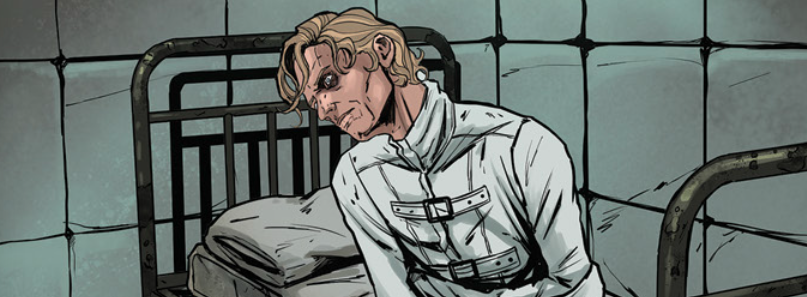
The 1930s appear on the page more or less faithfully. Everything looks more or less authentic to the 1930s. Some of the color choices suggest a depreciation for the way photography would look from back then. There is, however, a greater appreciation for the central drama that's unfolding on the page. And though the supernatural is only insinuated around the edges of the panel, the overall ambiguity of what might really be going on feels that much more enhanced in a world that isn't totally overcome with visual representations of the supernatural.