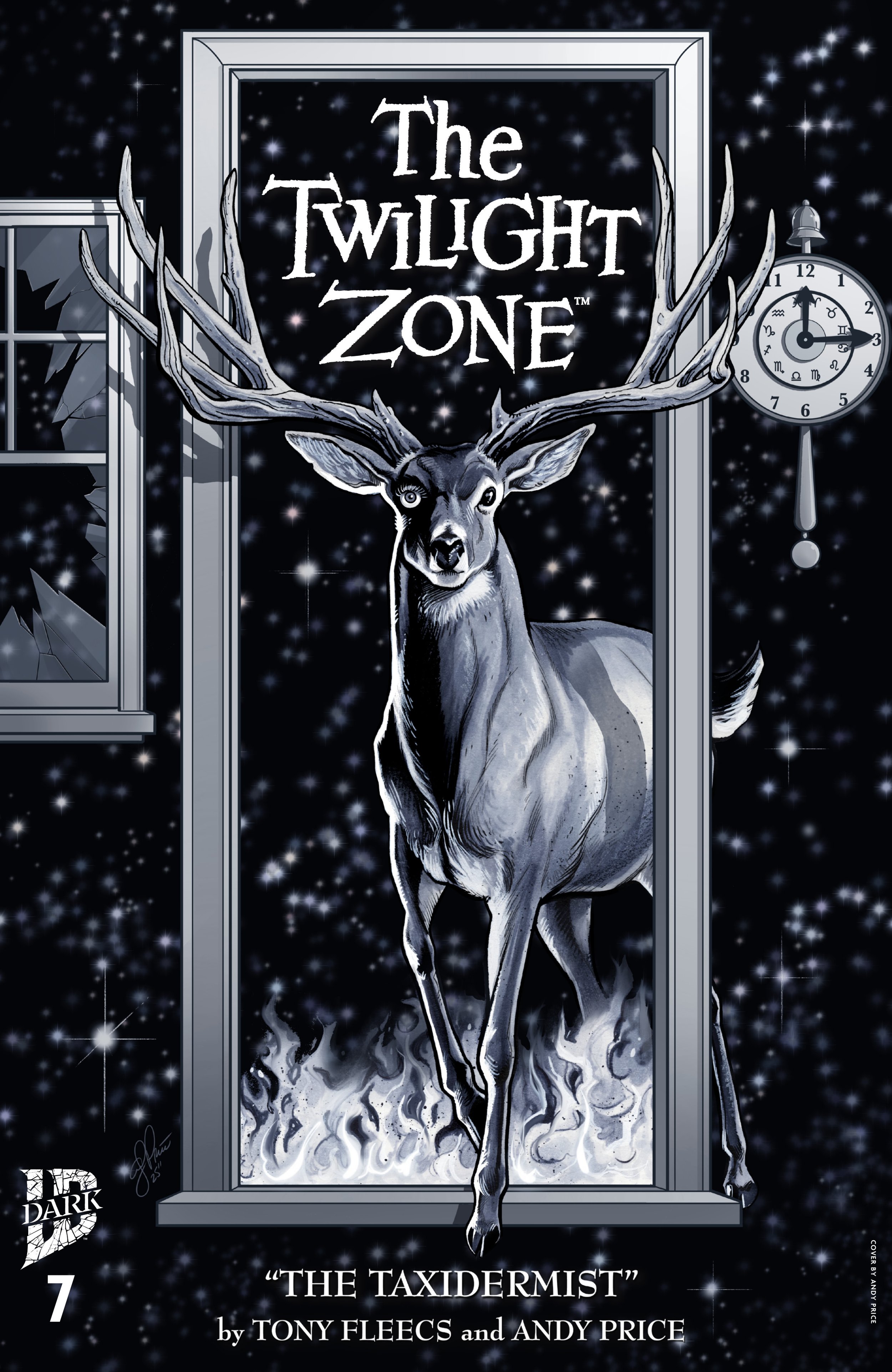
The Twilight Zone #7 // Review
Henry Wallanowski is busy at work in his shop. He takes dead things and makes art out of them. He's a taxidermist looking for that perfect moment. That one lost perfect moment for every thing that has been brought to his workshop. He's about to get a much deeper understanding of the work he does in The Twilight Zone #7. Writer Tony Fleecs cleverly develops a lovingly-crafted homage to the early days of the original season of The Twilight Zone with penciler Andy Price. Inking and shading assistance comes courtesy of Maria Keene. It may not be totally embracing the potential of a Twilight Zone adaptation for page and panel, but it’s a very sharp celebration of the dawn of the franchise.
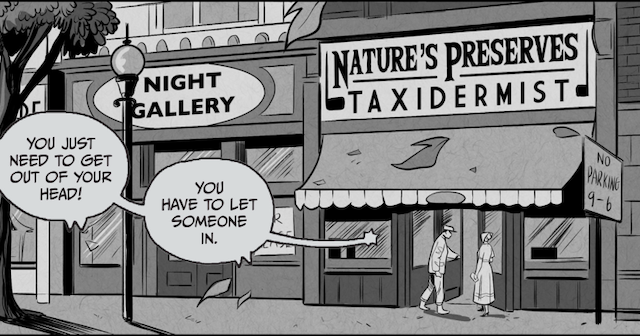
Henry rarely makes it out of his workshop. There's just so much work to be done. So many animals to work with. It's hard to really have much time for anyone else. However, Henry is going to be visited by someone who seems to take an active interest in what it is that he's doing. And maybe Henry's work in the tiny town of Willoughby just might have to take a break from it all for just long enough to get a good look at what it is that he’s doing.
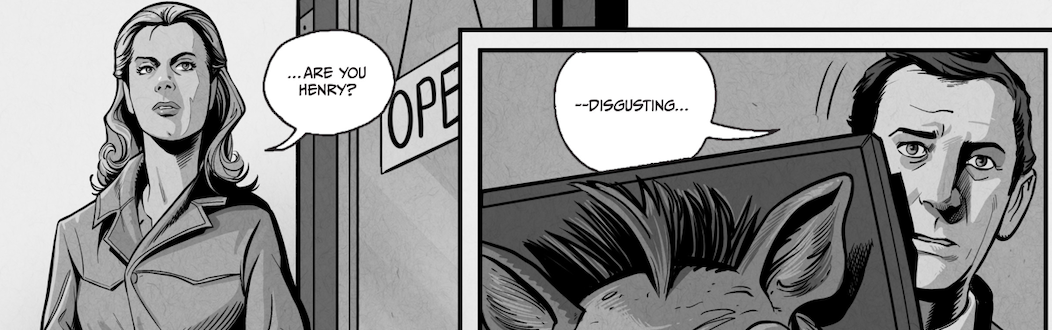
The reference to Willoughby is kind of a clever connection with the illusory town from the first season of the TV series in 1960. It shows that Fleecs has a real love of the classic series...a connection that shows-through with remarkably vivid charm throughout the issue. The pacing of the issue feels more or less perfectly matched to a 25-minute episode of the original season of the original series. With a few stray contemporary-sounding words and phrases here or there, Fleecs manages just enough stylistic anachronism to show just how true to the 1959 the issue is.
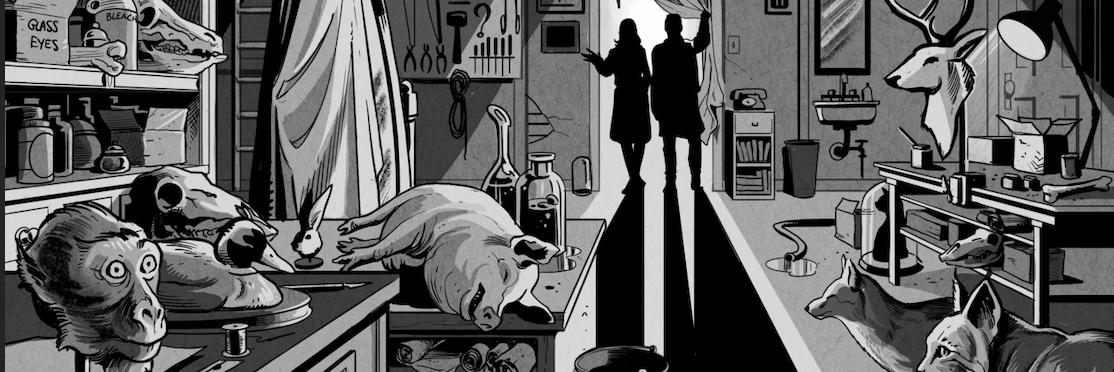
It's worth mentioning that the art team has gotten everything right to a bit of an alarming and unnerving degree. The style and tone and texture of a classic episode of The Twilight Zone is right for the page with such fidelity that the aspect ratio of individual panels. It seems a little bit disorienting. Most of the panels are done in sort of a widescreen format that feels more cinematic than the original framing of the old TV series. Overall shot composition feels more or less perfectly matched to the way that series was shot. Vertically oriented panels stretch things in a completely different direction that is also equally disorienting.
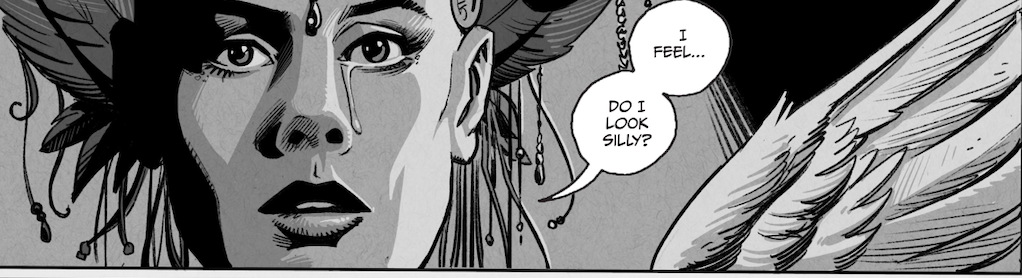
And that's what The Twilight Zone is all about, isn't it? That sense of reality tilted and distorted to reveal deeper emotional and philosophical truths. It’s fun seeing the visual of that sort of thing celebrated while warping it in different directions that feel pleasantly unsettling. The original series may not have been the best that the franchise has had to offer over the years, but it’s fun seeing it brought to the page with such care and love.