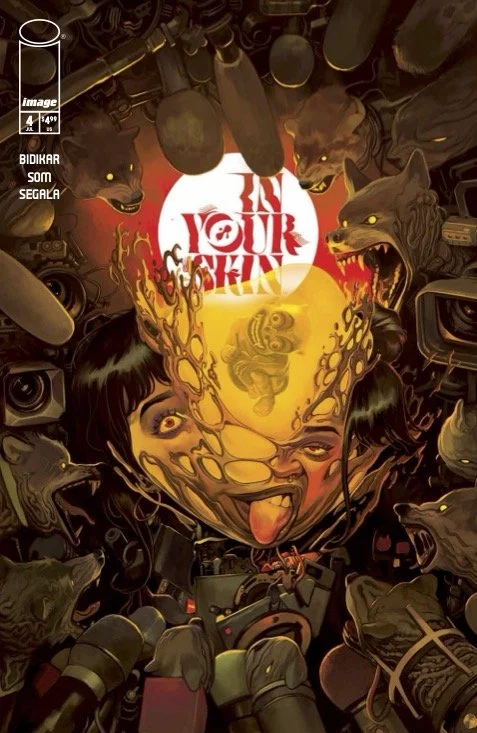
In Your Skin #4 // Review
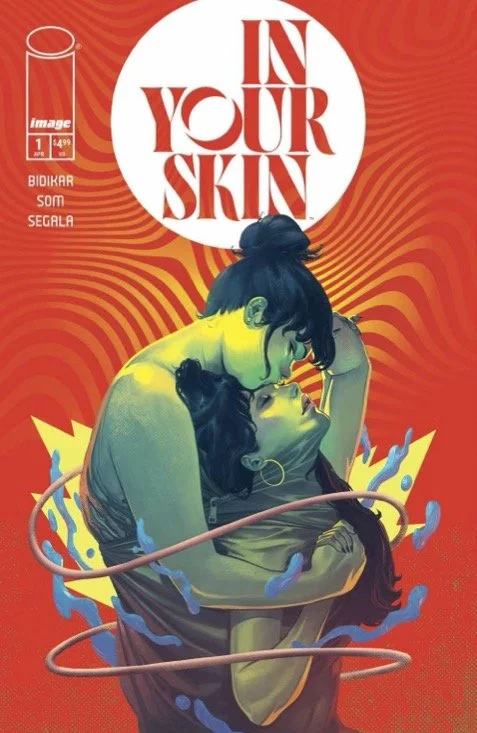
Ayesha Sen is approaching the red carpet. She’s upset. Armaan Khan is being interviewed. There are questions. They are valid questions. But he is the center of the Spotlight. He is the center of everything. And there’s Ayesha along the periphery. Naturally she's pretty upset. She's in the movie too. It's not just him. Why shouldn't she be there? Naturally she's going to shout at him. Naturally there's going to be a scene. And it's not going to be on the screen. It's going to be at the opening In Your Skin #4. Writer Aditya Bidikar and artist Som conclude an India-based horror drama with color by Francesco Segala.
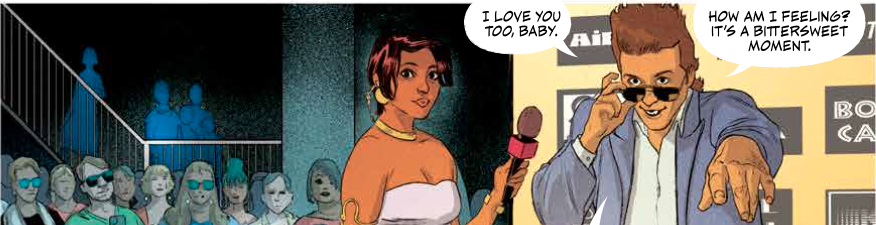
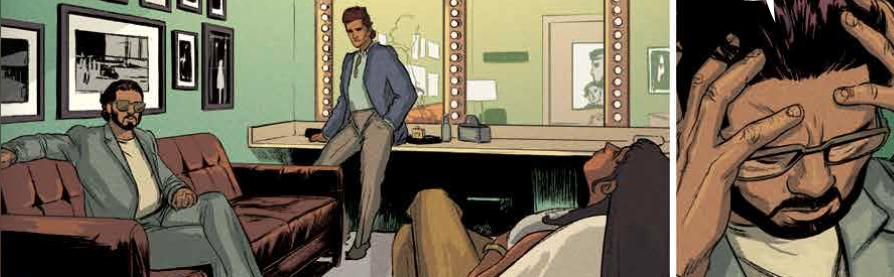
Later on, there's a conversation in a dressing room. It's explained to Ayesha that if she wants to be a star, she has to act like one. Under the circumstances, it might not sound quite as condescending as it probably is. The director wanted Armaan out of the production a long time ago. Ayesha fought to keep him in the picture. The film gets produced and he’s saying awful things about her on the red carpet. Naturally she’s going to lash out. And naturally the energy she’s got is going to turn...supernatural once it’s all over.
There are aspects of Bidikar’s completed story that feel very cliche. The rise and fall of a star. The desire to help someone else on a creative endeavor. And that person then eclipsing the one who is helping them. It's all been told 1 million times before. And not necessarily just in Hollywood movies or anything like that. Nevertheless, there's a real poetry to what Bidikar is putting to the page which feels like it has a very authentic error of primal simplicity. The nature of fame. The nature of artistic expression and communication. Bidikar it is exploring some really interesting themes here.
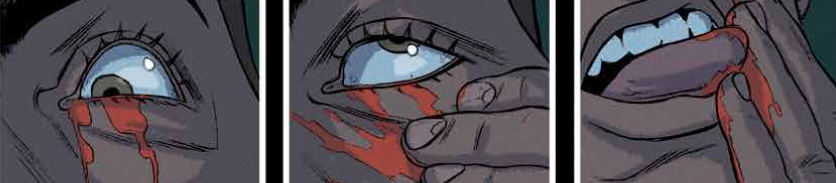
Som’s rendering of the visual provides breathtaking detail with the kind of precision that doesn’t need a great deal of rendering. It all feels so potent in nuance and shading that are sculpted across the page by colorist Francesco Segala. The primary poetry of the issue is very visual. There’s a deeper conversation occurring between a couple of people on the page. One of them takes off a shirt and the entirety of the skin at the same time. They’re both there dancing without skin...just muscles and tendons. And it is its own kind of beauty. It is it’s own kind of reality as two people are given total anonymity in the midst of crushingly graceful vulnerability. It’s really remarkable stuff on a whole bunch of different levels that all work.
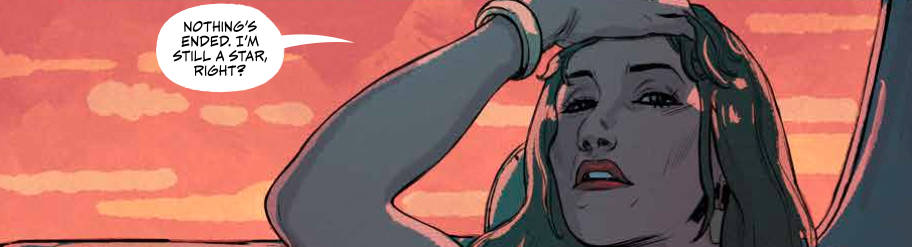
The drama. The horror. The emotional resonance. It’s all there on the page in a remarkably concise four-issue series the closes on some strikingly interesting visual poetry. It all fits on the page the way it simply wouldn’t be able to manage ojn any screen without losing so much of what makes it so captivating. Very powerful stuff.