The Eye Collector #4 // Review
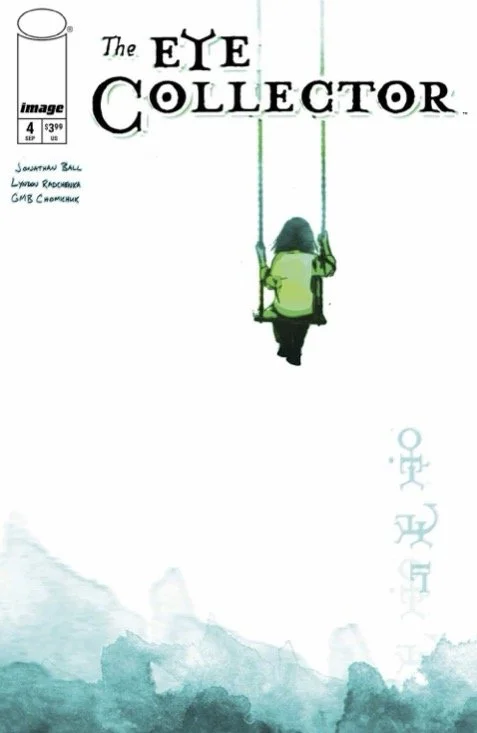
The narrator claims that when you were a child, you know nothing. And you're afraid. The narrator also claims that when you are an adult, you know nothing. But you're less afraid. Because you're more accustomed to the idea of death. Clara is a child. And maybe she’s afraid. And maybe she’s not. In any case, she’s got a journey ahead of her in The Eye Collector #4. Writer Jonathan Ball and artist GMB Radchenka continue their surrealistic horror drama with an issue that feels a little bit more firmly, rooted in traditional storytelling, then previous issues might have felt.
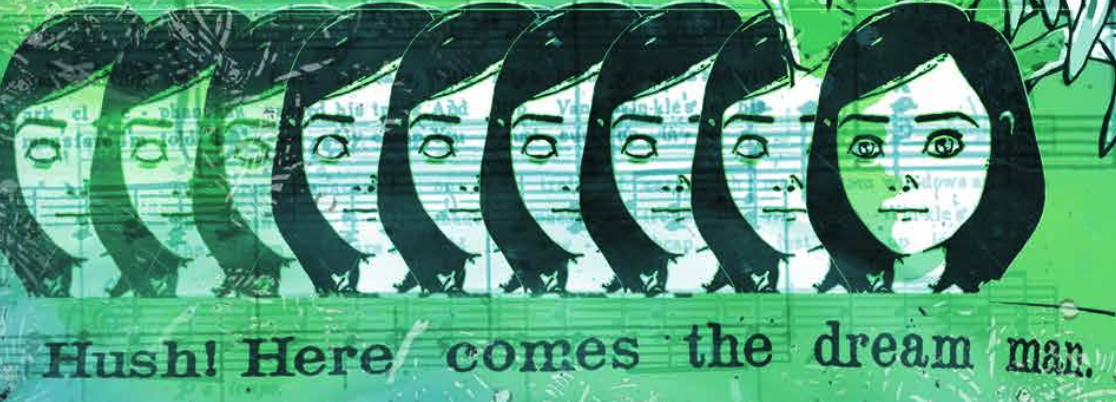
Clara asks if Nathan can come out to play. His mother apologizes for his inability to do so. He is in bed. The implication is that he is not feeling well. And this would be consistent with the fact that he didn't show up at school that day. Nevertheless, she's allowed to come in. Nevertheless, she's allowed to see him. His mother compliments, her beauty. His father seems suitably charming. She's there to see Nathan, though. They have a few things to talk about. And maybe it's just small talk. And maybe it's more than that.
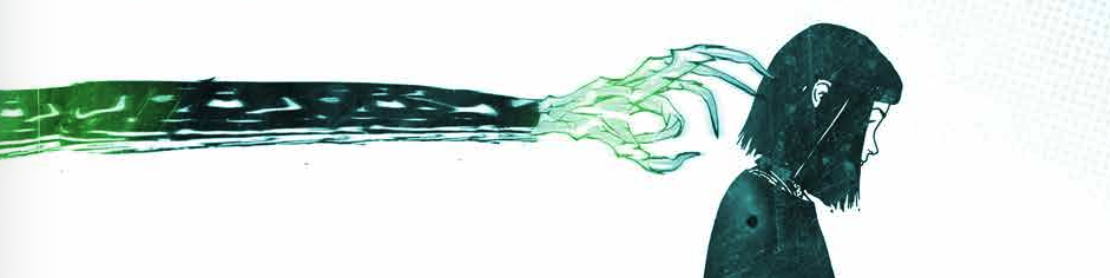
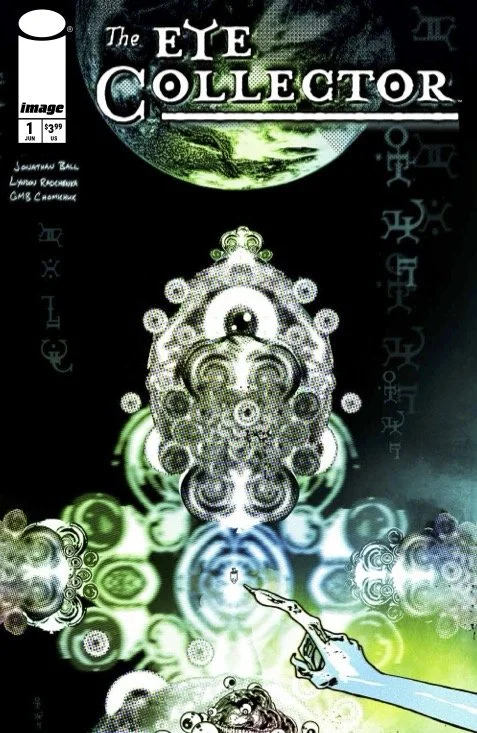
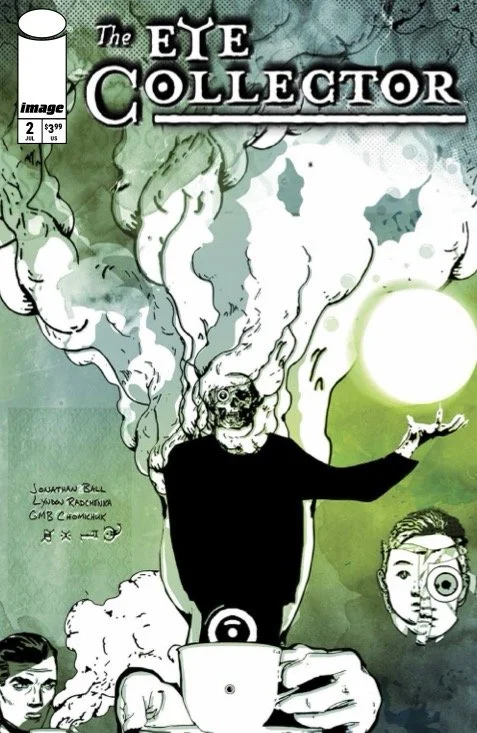
The horror for the story arrests, largely around the edges of everything. It's fuzzy and distinct around the corners. But it's definitely there. The script allows, the artist plenty of opportunity to dive into the more obvious end of the horror with surrealistic images around the edges of everything. And strange rendering of everyday life as seen through the lens of impending doom. Or what might be impending doom. It's fascinating to see such a mundane world to come to life in a way that seems to suggest such vivid horror. But it's not there. Not in any kind of an obvious way.
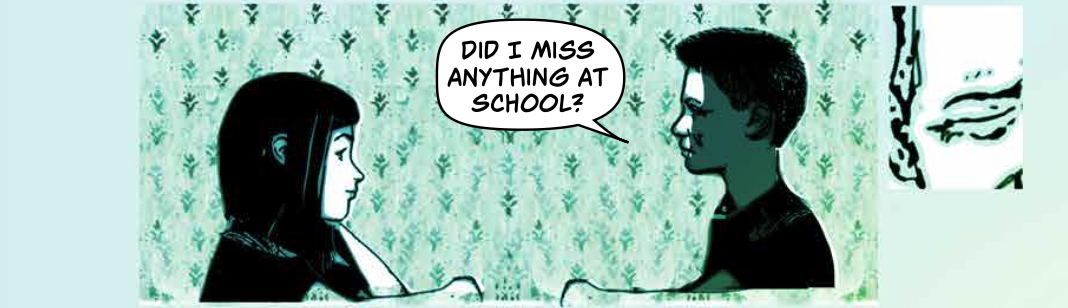
The visuals do, however, develop a darkness about them that feels very solid and distinct. There's a real menace. And there's a conflict in a contrast between the innocence of youth and something that's altogether darker. So the visuals are playing with traditional conceptions of innocence in childhood versus something darker in adulthood and something even darker beyond that. It's nothing too terribly earthshaking. It's nothing too terribly new. But the way the visuals meet the page feels very interesting. It feels very fresh. It's very sharply rendered and stylish stuff. But it never ever quite meets the realm of the completely obvious. So it's still kind of uncertain as to exactly where the story is going.
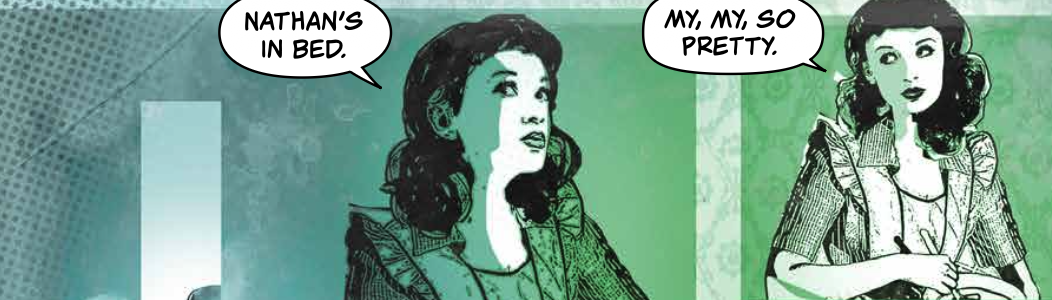
There are aspects of the story that are very vintage 20th century. And there's a lot going on in the whole narrative package that feels like something out of the 1960s or the 1950s. So much of it seems like something that would've been found in a package of clip art from the mid-20th century. This isn't a bad thing. It's just weird. And it's pleasantly weird. However, the ambiguity of reaching this far into the series is kind of disconcerting. It would be nice to see if things feel just a little bit more coherent as the series progresses.