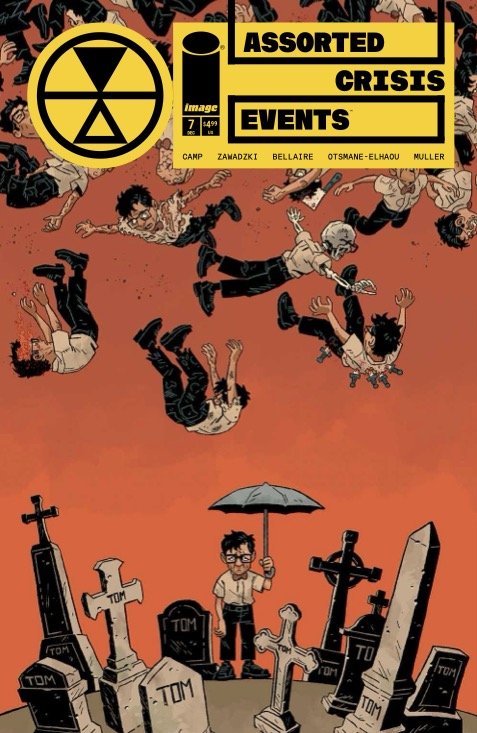
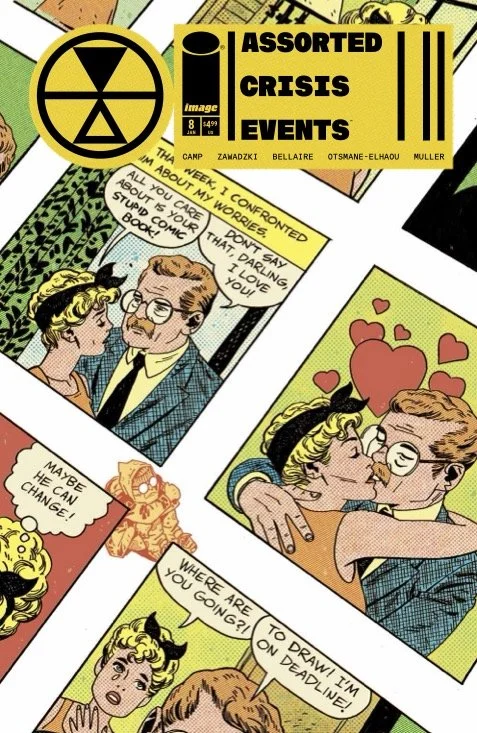
Assorted Crisis Events #8 // Review
G. Willow Wilson has Black Cat occasionally talking to the readers. Deadpool famously does so all of the time. So does Harley Quinn and She-Hulk. They all know that they’re inhabiting comic books. They’re all more or less okay with it. Wally knows he’s in a comic book. He’s not okay with it. His journey treads a path between two covers in Assorted Crisis Events #8. Writer Deniz Camp and artist Eric Zawadzki explore the life of a fictitious writer/artist who works in comic books on the other side of the comics page. Color comes to the page courtesy of Jordie Bellaire.
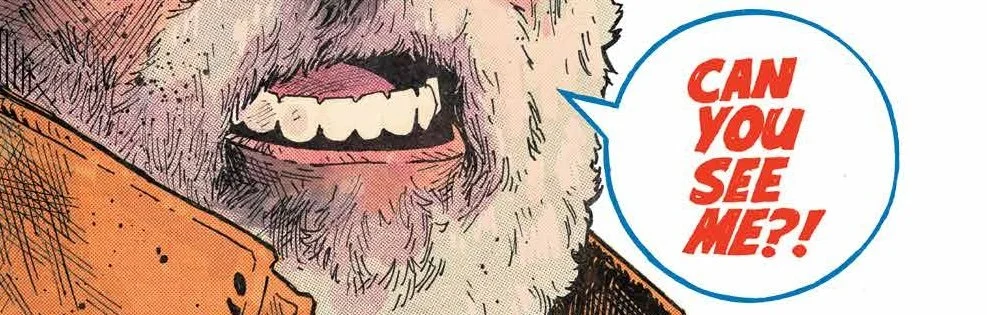
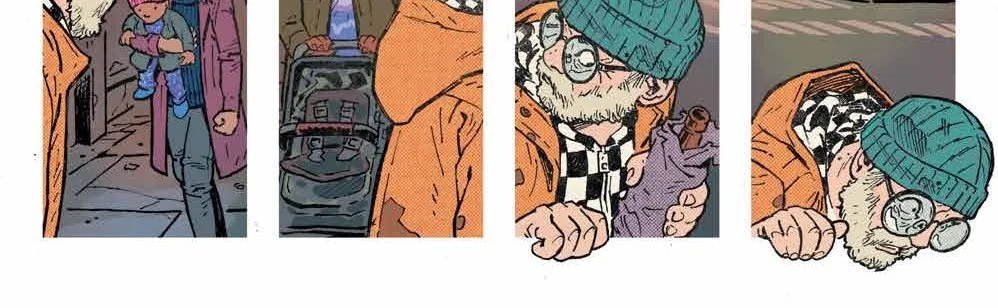
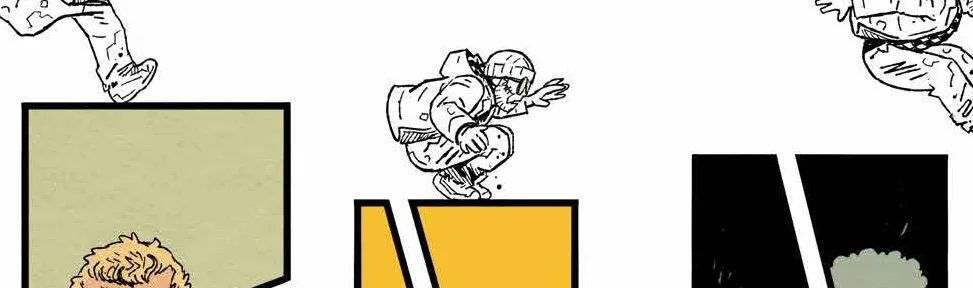
Wally’s there on the opening splash page. He’s there in full bleed looking directly at the reader...asking if you can see him. There’s a kind of desperation in his face. A little bit later he’s being hit by a car and knocked directly into the gutter: the white space between the panels. He begins to see the story of his life play-out from outside the panels. Something like 16 pages later he’s there telling the reader that they can stop reading and everyone will get a happy ending. All you have to do is stop reading.
Camp finds a clever way of working with the existential first principles of a life on the comics page. It's not easy to do this sort of self-referential work without being incredibly tedious. Can't makes it a lot of fun, though. There's a real depth to what he's exploring the feels strikingly relatable in many different ways. The amplified drama between the panels feels remarkably novel without actually being a novelty. The relationship between creator and a reader isn't some cheap gimmick. Camp has really found something profoundly moving about the nature of art itself. Quite an accomplishment.
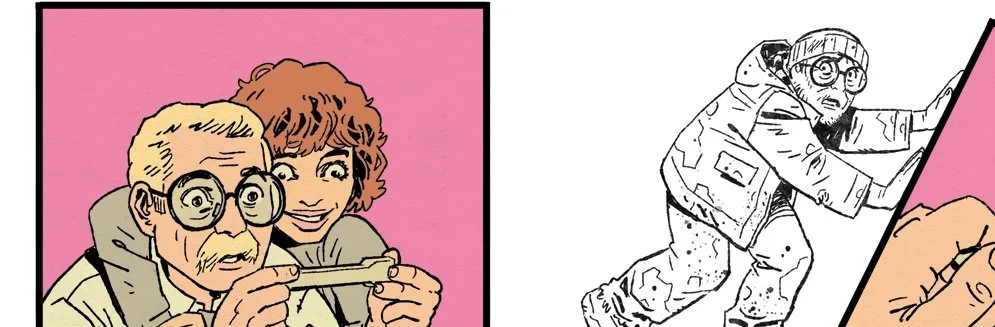
So much of what exists in the visuals is put there by the form itself. It's kind of visually spectacular. But not because of anything that's being presented. The visual power of the eighth issue of the series lies in how it's all presented. There's something deeply unhinged about watching a main character stock around behind the panels of their own story. It's a feeling of profound imbalance that comes from that, but turns out to be exquisitely moving as things continue to disintegrate for Wally, the panels get more and more segmented. The gutters continue to amplify. It's brilliant stuff.
And then there were aspects of the issue that feel almost incredibly cheesy. There's an element of it that feels very much like a weirdly mutated version of Jon Stone’s The Monster at the End of This Book. Aspects of the interaction between reader and character and creator feel kind of forced in places. This isn't a bad thing as it does speak to the overall state of mind of the narrator and main character. He's just trying to make sense of it all in at times he's going to be incredibly quaint. And silly. And awkward and cringy. But those aspects of this issue only serve to make Wally and his story that much stronger.