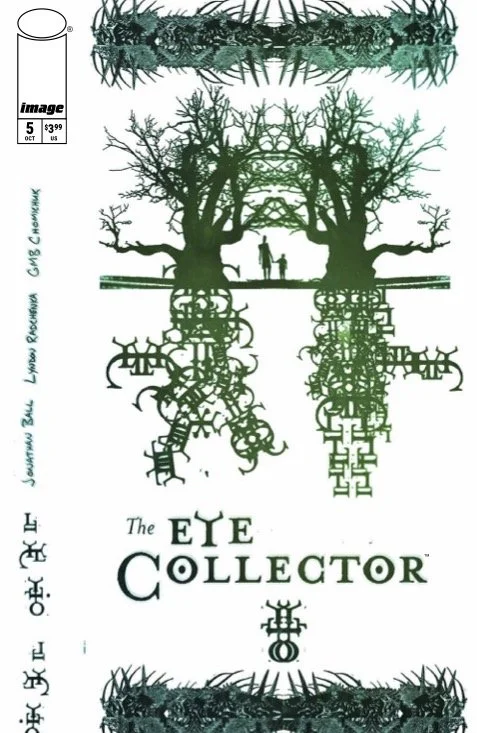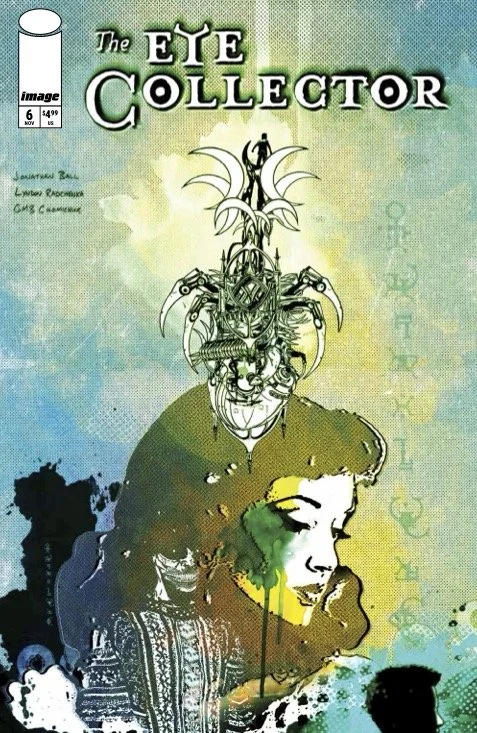
The Eye Collector #6 // Review
And then at the beginning of the sixth issue of the series, the narrator says, “I have been trying to tell you a story.” It's right there in a narration box at the bottom of the page. It's beneath a panel that features a picture of the Earth and the moon in front of a grand staff of music notes. It's something of an autobiography. The story reaches the end of its first half in The Eye Collector #6. Writer Jonathan Ball and artist GMB Chomichuk carve a strange path through cosmic supernatural horror as the 12-issue series continues its course.
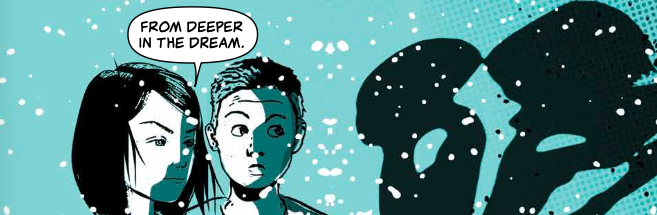
The narrator has been trying to tell a story of his life and his childhood. What happened. He's been trying as fast. There are many holes in the story. He's apologizing for them. But there are things that he needs to get across. There are things that he needs to communicate. And then there are other dreams. And then there is her dream. The dream that keeps repeating itself: an empty house. Someone is watching from deeper in the dream. She leaves for school. Then when she gets back home, she tells the walls about her day. And she wakes-up.
Ball might really have something here, but it's difficult to tell. The dreamings of the negative seems to be overcoming the themes that is trying to get across. Even just having that the narrator himself acknowledge this isn't enough. It isn't enough to make it feel any more substantial than a weird dream. That being said, there's a real poetry in the horror of what's being brought to the page. Good intentions can turn anyone into a monster. Theoretically, it's very fascinating and compelling stuff. But it's all hitting the page at such an oblique angle.
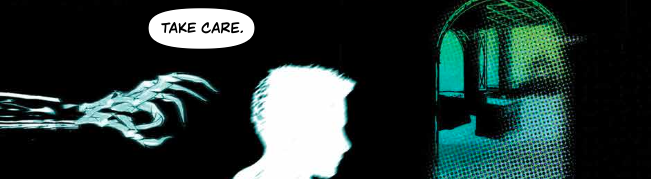
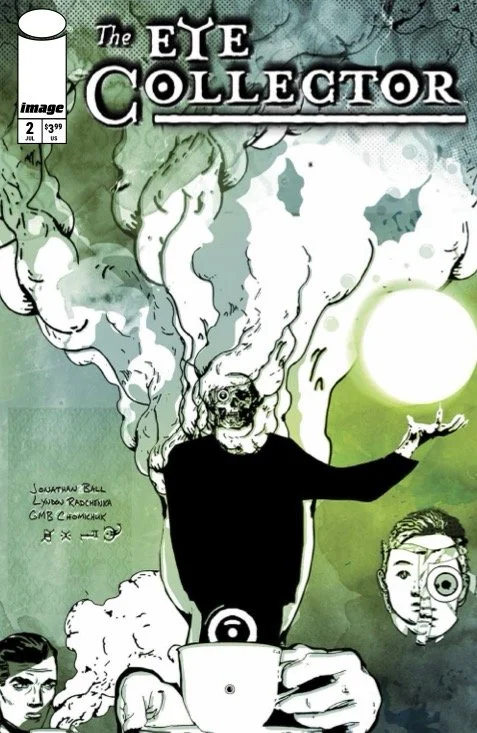
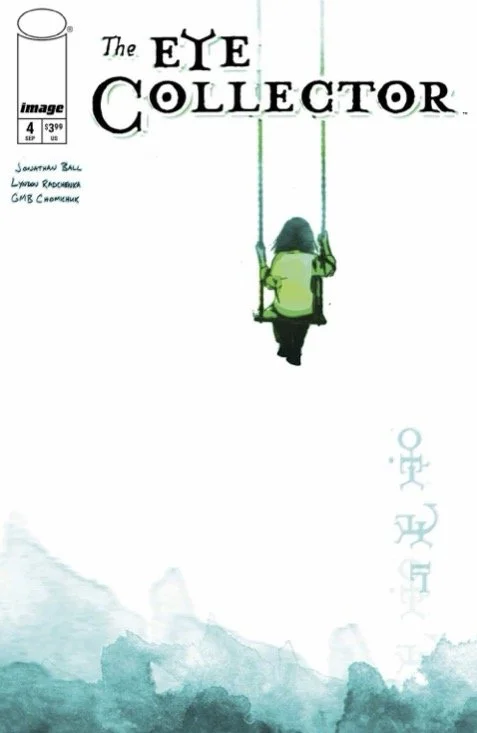
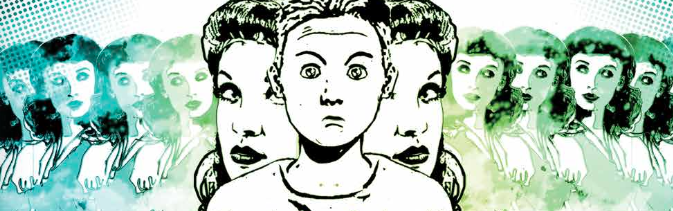
Still: it looks pretty Chomichuk does a solidly impressive job of making the dreamy feel compelling on some level. The washed out colors. The heavy inks. The feeling of 1950s clipart gone wrong. It's all feels very interesting in its own way. But it's not necessarily bringing it across a very compelling story. They're almost certainly feels like there's something deeper going on on the page that could be expressing some far more sinister aspect of horror than that which immediately meets the page. But it's difficult to tell. It's difficult even more to find very much of a connection with anything that's going on.
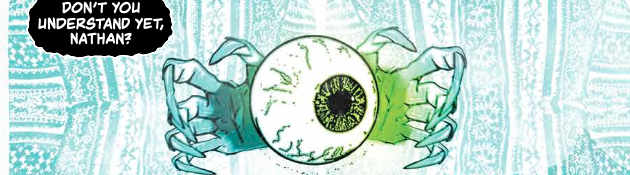
The big issue with the series has been one of connection. People do make a connection through childhood. So the first half of the series is making that connection with childhood. People relate to their own memories of what it was like growing up. And they see something of a horror in that. And it can be very compelling. However, it doesn't necessarily reach very far beyond the ambiguous. Certainly not far enough to really generate truly deep connection with the reader. There's certainly a lot there, though. And it will be interesting to see where the series moves in its second half.