Odin #3 // Review
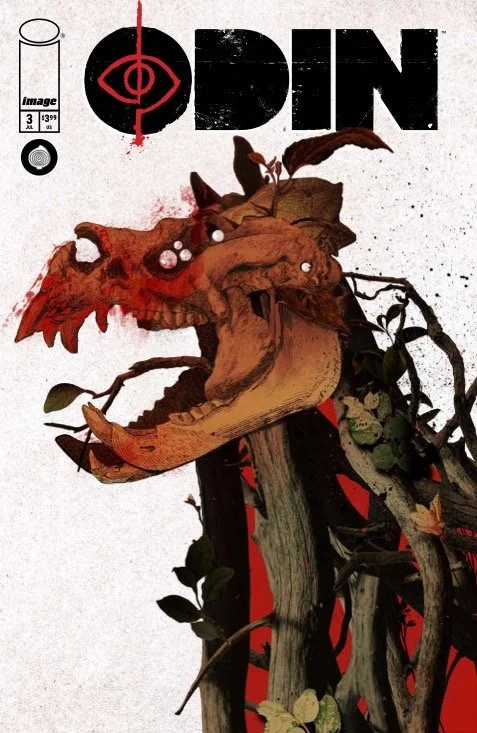
Robert stepped into the fire, but he died of sepsis. Now they're all standing around talking about how it was his fault. He wasn't worthy. Adela is disgusted. She was chasing a story she was looking for perhaps in some kind of an understanding of a darker side of human nature. What she's getting is something entirely different in Odin #3. The writing team of James Tynion IV and Marguerite Bennett continue a story that is brought to page and panel by artist Letizia Cadonici and colorist Jordie Bellaire. A shadowy or continues to fill a snowy Woodland landscape that always feels just over the hill from some kind of nightmare.
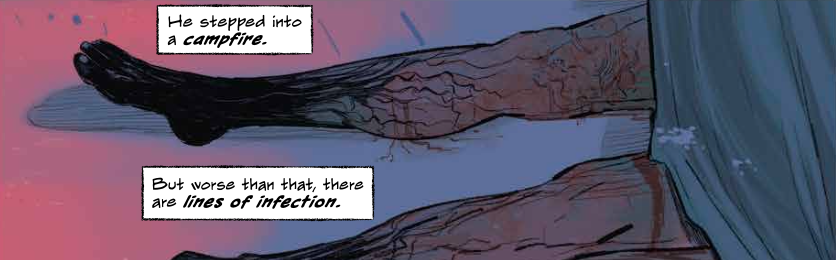
Tanner is spewing some kind of racist garbage about Robert. He is speaking with force and conviction there seems strong enough to almost convince himself that he’s right. Nothing is certain, though. The further they walk into the woods the closer they come into another world. And that world is dangerous. That is a forest that we doesn't care about their wives at all. And yet they want to believe that they are reaching some kind of higher state of being. They couldn’t possibly be more wrong about that.
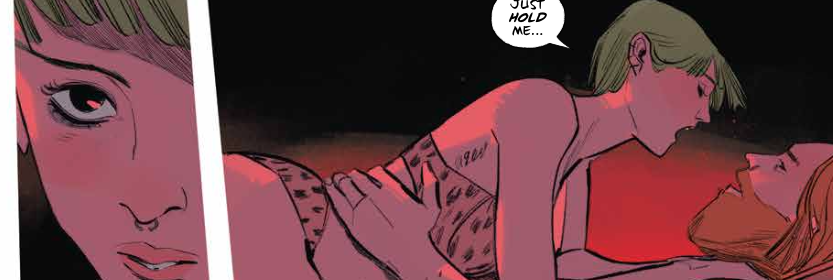
Tynion and Bennett continue a chilly dissent into hell and the darker side of human belief. The third issue in the series explores some of them were carnal desires, and the beliefs that people construct to try to give it some sort of meaning beyond an abstraction of passion. So abstract order was going on continues to breathe in around the edges of an expedition that's already been met with a considerable amount of war. Any same version of simply go bad. But there's a kind of a religious truth that is continuing to anivery provocative story.
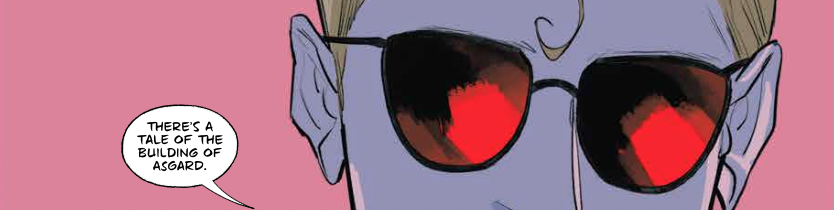
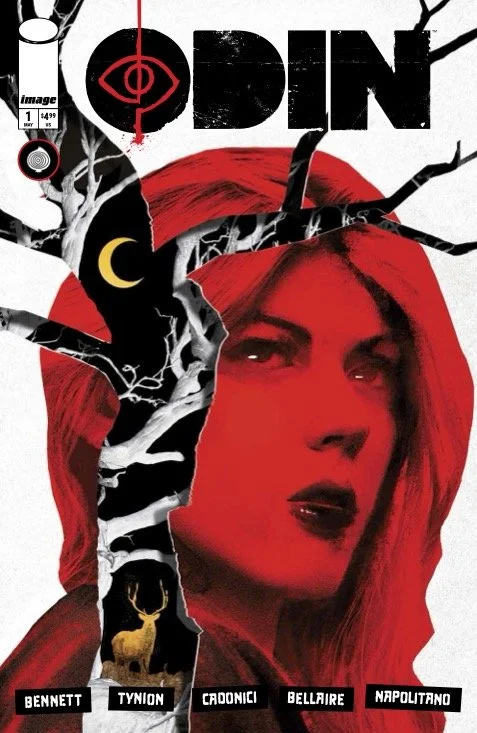
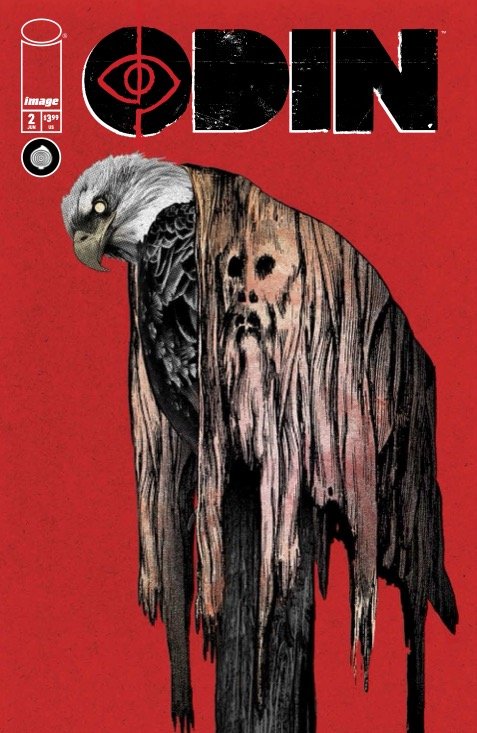
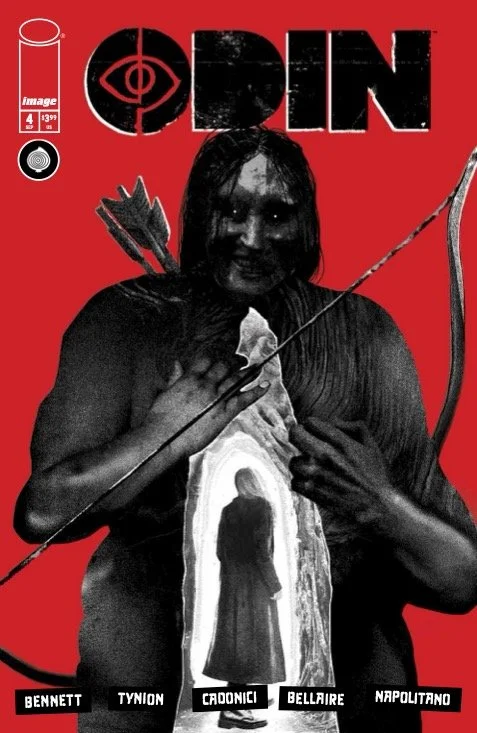
There’s a sketchiness to Cadonici’s art that feels suitably dreamlike. Bellaire’s colors play with cool and dark contrast. Candonici does remarkably detail amount of work very few lines in places. Bellaire breathes subtlety, luminosity, and texture into spaces between the ink. As remarkable how vivid the sensation of cold is on the page. This is a snowy wilderness and everything in the art seems to be pointed in a very frigid direction. It's very immersive. The horror is never shown in terribly graphic detail. This allows the imagination to amplify the power of it all. It's a very conscientious decision to deliver the mystery around the edges of the visual.
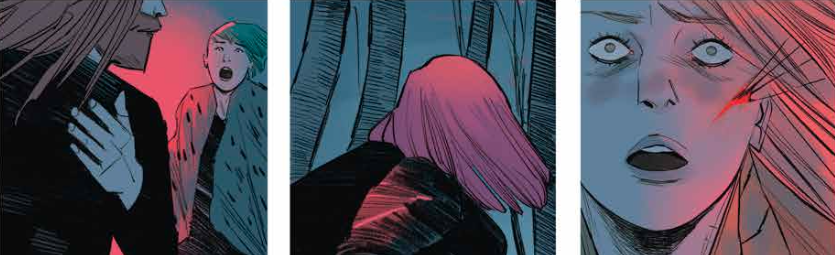
Various a kind of enhanced repetition about the story and the way it's being told. The people keep dying. And it certainly seems as though there might only be a few people left by the end of the series. And while this is not uncommon or fiction, the slow and gradual emergence of human survival feels particularly strong with this particular narrative. Who can sometimes feel enchanted. It can feel seductive. That’s not the case with Odin. There's a deep ugliness at the heart of Odin that doesn't rest on the page in the art. It cuts deeper to the core of the themes beam explored.